
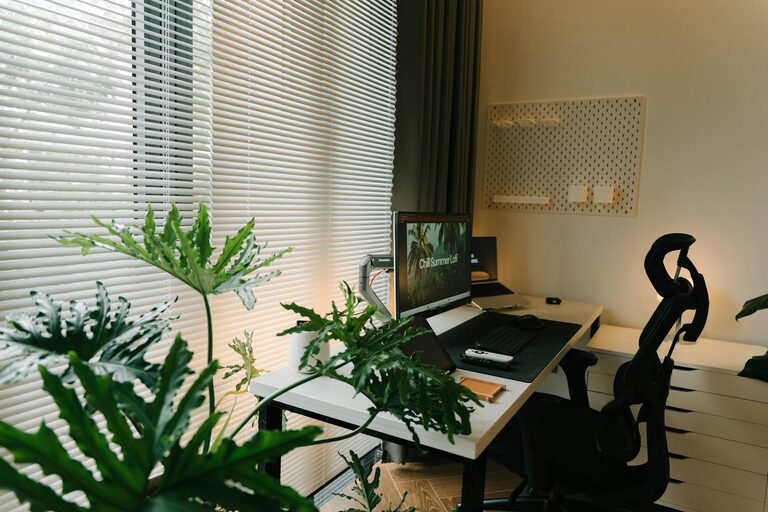

Creating a relaxing home workspace is essential for maintaining productivity, focus, and well-being. Whether you work remotely full-time or occasionally need to complete tasks at home, your environment plays a significant role in how effectively you can concentrate and perform your job. A calm and organized workspace helps reduce stress, minimize distractions, and keep your mind clear.
In this post, we’ll explore practical tips on how to create a relaxing home workspace that supports productivity while promoting a sense of comfort and calm.
Why a Relaxing Workspace Matters
When your workspace feels cluttered, noisy, or uncomfortable, it’s easy to feel overwhelmed or distracted. On the other hand, a thoughtfully arranged and peaceful environment can improve your mood, reduce fatigue, and make work feel less like a chore.
A relaxing workspace:
– Encourages better focus and mental clarity
– Supports good posture and physical well-being
– Minimizes interruptions and distractions
– Inspires motivation and creativity
Choosing the Right Location
Find a Quiet Spot
Choose a location in your home with minimal foot traffic and noise. This might be a spare bedroom, a corner in your living room, or a dedicated nook near a window. The key is to find a place where you can work uninterrupted for extended periods.
Maximize Natural Light
Natural light enhances mood and alertness, so position your desk near a window if possible. If natural light is limited, invest in good quality task lighting that mimics daylight to reduce eye strain.
Declutter and Organize
Clear Your Desk
A cluttered desk can create mental clutter. Keep only the essentials on your work surface to maintain a clean and inviting area.
Use Storage Solutions
Utilize shelves, drawers, and organizers to keep documents and supplies within reach, but out of sight. This keeps your workspace tidy and helps you find what you need quickly.
Adopt a Minimalist Approach
Stick to simple, functional items. Avoid excessive decorations or gadgets that may distract you. A minimal setup encourages focus and calm.
Prioritize Comfort and Ergonomics
Choose an Ergonomic Chair
Invest in a comfortable chair with good lumbar support. Proper seating helps prevent back and neck pain during long work hours.
Set Up Your Desk Correctly
Position your monitor at eye level, about an arm’s length away, and keep your keyboard and mouse at a height that allows your elbows to rest comfortably at your sides.
Use Accessories for Support
Consider ergonomic accessories like wrist rests or footrests to further enhance comfort.
Incorporate Calming Elements
Add Greenery
Plants can purify the air and bring a sense of tranquility to your workspace. Small potted plants or succulents are easy to care for and brighten the room.
Use Soft Colors
Choose soothing colors like soft blues, greens, or neutrals for your walls and decor. These hues help reduce stress and promote relaxation.
Include Personal Touches
A few meaningful items such as photos, artwork, or inspirational quotes can create a positive atmosphere without overwhelming your space.
Manage Noise and Distractions
Use Noise-Cancelling Headphones
If you cannot control ambient noise, noise-cancelling headphones can help you focus.
Control Digital Interruptions
Turn off non-essential notifications on your devices and consider using apps that block distracting websites during work hours.
Set Boundaries
Communicate your work schedule to family or housemates to minimize interruptions.
Build a Routine Around Your Workspace
Designate Work Hours
Establish a consistent daily schedule for work. This trains your mind to associate your workspace with productivity.
Take Breaks
Incorporate short breaks to stretch, hydrate, and rest your eyes. A relaxing workspace can make breaks feel more rejuvenating.
End Your Workday Thoughtfully
At the end of your day, tidy your workspace and shut down your computer. Creating a clear boundary between work and personal time supports mental well-being.
Final Thoughts
Creating a relaxing home workspace is an investment in your productivity and happiness. By thoughtfully selecting your location, organizing your environment, focusing on comfort, and minimizing distractions, you can design a space that helps you stay focused and calm throughout the day.
Remember, small changes often make a big difference. Start with one or two adjustments, and gradually tailor your workspace to what feels best for you. A peaceful and productive home workspace is within reach!