
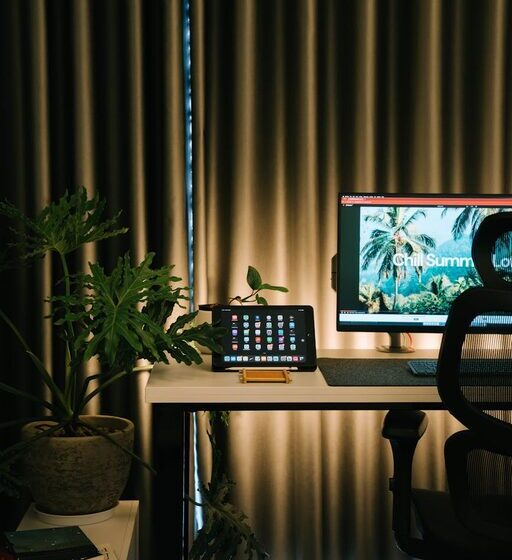

Creating a home office that is both cozy and productive can greatly enhance your work-from-home experience. A well-designed workspace encourages focus, reduces stress, and makes your workday more enjoyable. Whether you have a dedicated room or a small corner, thoughtful planning can transform your area into an ideal spot for creativity and efficiency.
In this post, we’ll explore tips to help you design a home office space that balances comfort and functionality.
1. Choose the Right Location
Selecting a location is the first step in setting up your home office. Ideally, pick a spot with minimal distractions and good natural light.
– Consider natural light: Position your desk near a window to enjoy daylight, which can improve mood and reduce eye strain.
– Minimize noise: If possible, find a quiet area away from household traffic to stay focused.
– Space availability: Ensure there is enough room to accommodate your desk, chair, and storage needs comfortably.
2. Invest in a Comfortable Chair and Desk
Comfort is key to maintaining productivity through long workdays.
– Ergonomic chair: Look for an adjustable chair that supports your lower back, promotes good posture, and has comfortable cushioning.
– Desk size and height: Choose a desk that fits your work essentials and suits your height to avoid strain. Standing desks or adjustable sit-stand options are excellent for movement variety.
3. Organize Your Workspace Efficiently
A clutter-free workspace helps keep your mind clear and focused.
– Declutter regularly: Remove unnecessary items to maintain a tidy surface.
– Use storage solutions: Shelves, drawers, and organizers keep supplies within reach yet out of sight.
– Cable management: Use clips or sleeves to organize cords and reduce tangling or tripping hazards.
4. Personalize Your Space
Adding personal touches can make your workspace feel inviting.
– Decor: Incorporate artwork, plants, or decorative objects that inspire you, keeping the space pleasant and motivating.
– Color choice: Use calming colors such as soft blues or greens, or energizing tones like yellow, depending on your preference.
– Lighting: Supplement natural light with warm desk or floor lamps to reduce eye fatigue and maintain ambiance.
5. Set Up Technology Thoughtfully
Efficient use of technology supports a smooth workflow.
– Reliable internet: Ensure your space has strong and stable internet to avoid disruptions.
– Functional equipment: Invest in quality keyboards, mice, monitors, or headphones for comfort and efficiency.
– Charging station: Designate an area for charging devices to keep them powered and accessible.
6. Create Boundaries Between Work and Home Life
Clear boundaries help in balancing productivity and relaxation.
– Physical separation: Use room dividers or dedicated furniture to differentiate your office from living areas.
– Routine: Establish regular work hours and breaks to maintain discipline.
– End-of-day ritual: Develop a simple habit to signal the end of work, such as shutting your laptop or closing your office door.
7. Incorporate Elements That Boost Well-Being
Your workspace should support your mental and physical health.
– Plants: Indoor plants can improve air quality and add a calming natural element.
– Air circulation: Ensure proper ventilation to keep the environment fresh.
– Movement: Include space to stretch or do light exercises during breaks, which can reduce fatigue.
8. Optimize Lighting for Productivity and Comfort
Lighting greatly influences your ability to work comfortably.
– Task lighting: Use adjustable desk lamps to illuminate your work area without glare.
– Avoid screen glare: Position your monitor to minimize reflections from windows or lights.
– Consistency: Maintain balanced lighting to prevent eye strain throughout the day.
9. Use Sound to Your Advantage
Sound environment impacts focus and motivation.
– Minimize distractions: Use noise-canceling headphones if your environment is noisy.
– Background music: Some people find instrumental or ambient music helps concentration.
– White noise: Consider using white noise machines or apps to mask disruptive sounds.
Conclusion
Creating a home office space that is both cozy and productive involves thoughtful choices in location, furniture, organization, and personalization. By balancing comfort with efficiency, you can design an environment that supports your work tasks while keeping you motivated and relaxed.
Remember, your ideal home office should reflect your personal preferences and work habits. Experiment with these tips, adjust as needed, and enjoy a workspace where you can thrive every day.